New publication in Synlett!

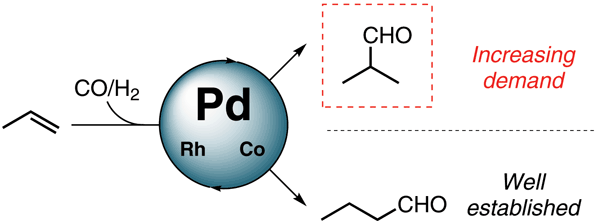
The hydroformylation of simple aliphatic alkenes, such as propylene, is one of the largest homogenous catalyzed processes in the chemical industry, producing over 10 million metric tons of different aldehydes each year. Typically, such processes are catalyzed by Co or Rh catalysts, yielding mostly linear aldehydes, such as n-butanal. However, the increasing demand for branched aldehydes, such as isobutanal, triggered further investigation to develop efficient isoselective protocols, which remain scarce. In this Synpacts article, we discuss our recent work on iodide-assisted Pd catalysis as an attractive alternative strategy for the development of isoselective methods. This article is presented considering the state of the art for Rh-catalyzed processes. Additionally, we discuss the limitations and challenges that need to be addressed in order to successfully transfer the technology to industry.

Synlett 2023, 34, 1185–1194.

Congrats to all!
New publication in Trends in Chemistry!

In this article we highlight the recent studies by the laboratories of Hartwig, Scott, and Guironnet, which demonstrated that ingenious cascades of reactions driven by catalysts operating in concert enable conversion of ethylene and polyethylene (PE) materials, the largest plastic waste contributor, into propylene, the valuable olefin used in the synthesis of various chemicals and commodity materials.

https://www.sciencedirect.com/science/article/abs/pii/S2589597423000448?via%3Dihub

Congrats to all!

New publication in Chemical Communications!

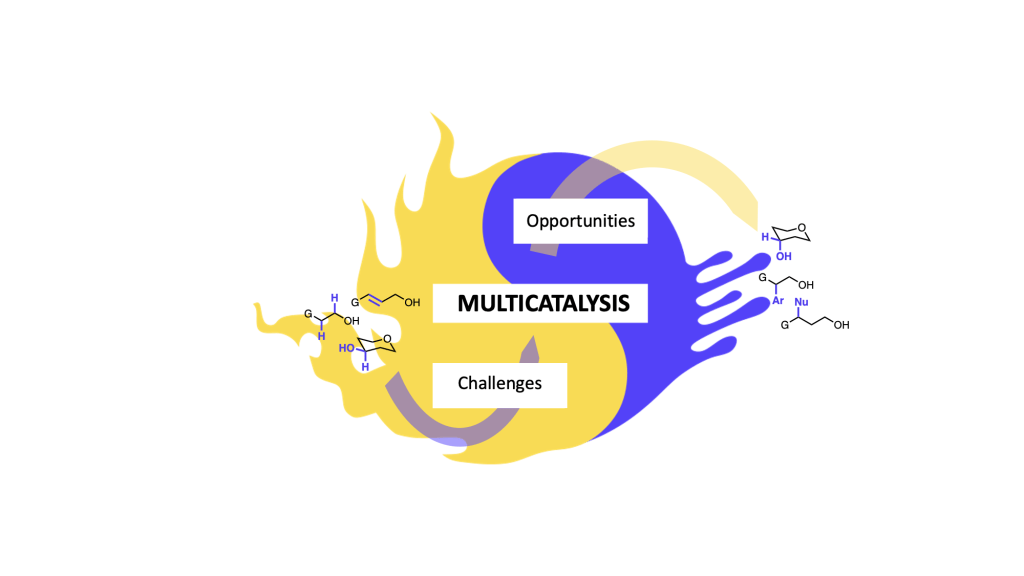
Given that alcohol moieties are present in a great diversity of valuable fine chemicals from nature and synthesis, methods enabling their structure diversification are highly sought after. Catalysis proved to enable the development of new transformations that are beyond the inherent reactivity of alcohols. However, modifying the structure of alcohols at certain unbiased positions remains a major challenge or requires tedious multistep procedures. Recently, increased attention has been given to multicatalyis, which combines multiple reactions and catalysts within one system, creating room for discovering previously inaccessible reactivities or increasing the overall efficiency of multistep transformations. This feature article focuses on demonstrating various aspects of devising such multicatalytic systems that modify the structure of alcohol-containing compounds. Special attention is given to highlighting the challenges and advantages of multicatalysis, and in a broader context discussing how the field of catalysis may progress toward more complex systems.

https://pubs.rsc.org/en/content/articlelanding/2023/CC/D3CC00551H

Congrats to all!

New publication in Organometallics!

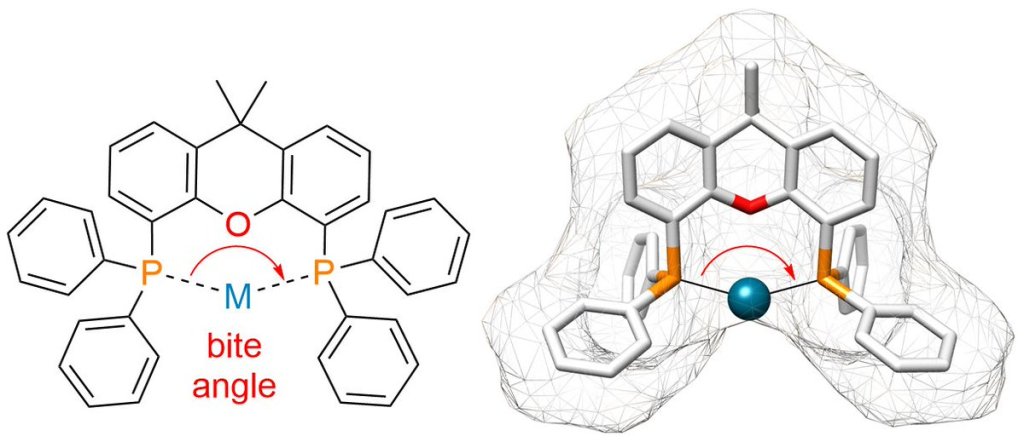
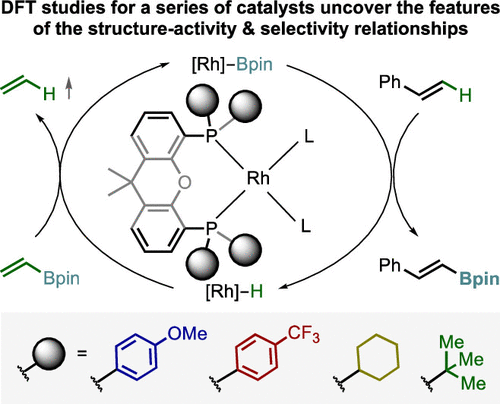
In this paper, just reported in Organometallics, we describe the results of a computational investigation that shed light on the catalyst structure–activity and selectivity relationships for our recently developed Rh(I)-xantphos-catalyzed transfer C–H borylation of alkenes (c.f., Chem Catal. 2022, 2, 762-778). The study provides guidelines for the rational development of new catalysts to further enhance the performance of the catalytic system and address the remaining challenges.

https://pubs.acs.org/doi/10.1021/acs.organomet.2c00148

Congrats to all!

New publication in Chem Catalysis

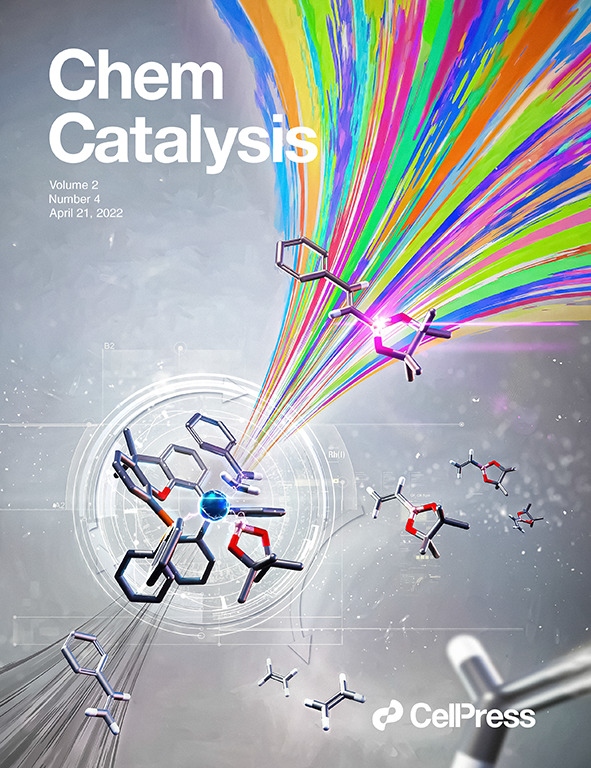
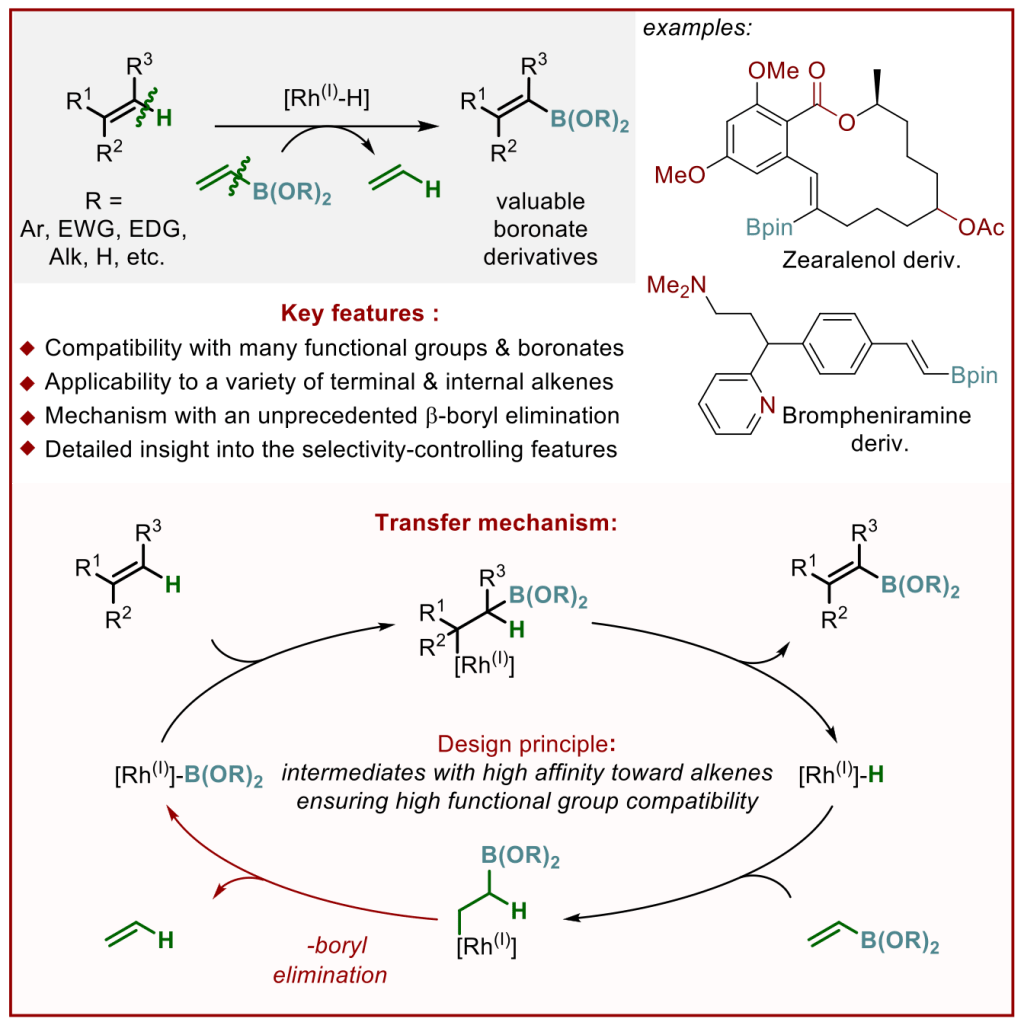
In this paper, we present a broadly applicable method for the C–H borylation of various alkenes, that is, a valuable transformation in the synthesis of fine chemicals, such as pharmaceuticals and agrochemicals. Importantly, the reaction tolerates a plethora of functional groups and can be used for the late-stage functionalization of complex bioactive molecules, such as derivatives of zearalenol and brompheniramine. The study provides insight into the reaction mechanism and the features controlling the selectivity, thereby setting the stage for the development of other related valuable reactions.

https://www.cell.com/chem-catalysis/fulltext/S2667-1093(22)00103-8

Congrats to all!

New Publication in the European Journal of Organic Chemistry

In the invited mini-review in EurJOC, Yang and Michel analyzed the field of Pd-catalyzed hydroformylation!

Hydroformylation of alkenes and alkynes with syngas represents a method of choice to furnish valuable aldehydes with 100% atom-economy from readily available building blocks. Although the field is dominated by Rh- and Co-catalysis; complexes of many other metals were also shown to be catalytically competent. Here we review the studies of hydroformylation under Pd-catalysis, starting from the seminal reports up to the most recent examples. Special emphasis is paid to the unique regio- and chemoselectivities of Pd-based methods, which are difficult to achieve with the conventional hydroformylation protocols. Different mechanistic proposals are presented along with a summary of their experimental andc omputational support. Finally, the user-friendly methods using surrogates of syngas are discussed as well. Overall, the mini-review aims to present unique opportunities and remaining challenges of Pd-catalyzed hydroformylation reactions for their prospective applications in fine-chemical synthesis.

Congrats to all!

https://chemistry-europe.onlinelibrary.wiley.com/doi/epdf/10.1002/ejoc.202101020

New Publication in the Journal of Organic Chemistry

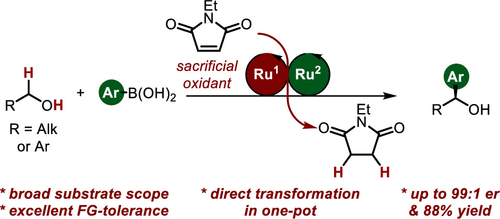
In this Letter, we report the enantioselective synthesis of secondary benzylic alcohols and diarylmethanols by α-arylation of primary aliphatic and benzylic alcohols under sequential catalysis. The strategy integrates a Ru-catalyzed hydrogen transfer oxidation and a Ru-catalyzed nucleophilic addition in a one-pot fashion. The method can be applied to various alcohols and aryl nucleophiles tolerating a range of functional groups, including secondary alcohols, ketones, alkenes, esters, NH amides, tertiary amines, aryl halides, and heterocycles. Overall, the study shows the potential of multicatalysis to enable transformations that are challenging for classic catalysis.

Congrats to all!

https://pubs.acs.org/doi/10.1021/acs.joc.1c00983